About the Work
How science, teaching, experience, imagination, and the search for meaning shape Mark J Horacek’s books.
Where the Books Come From
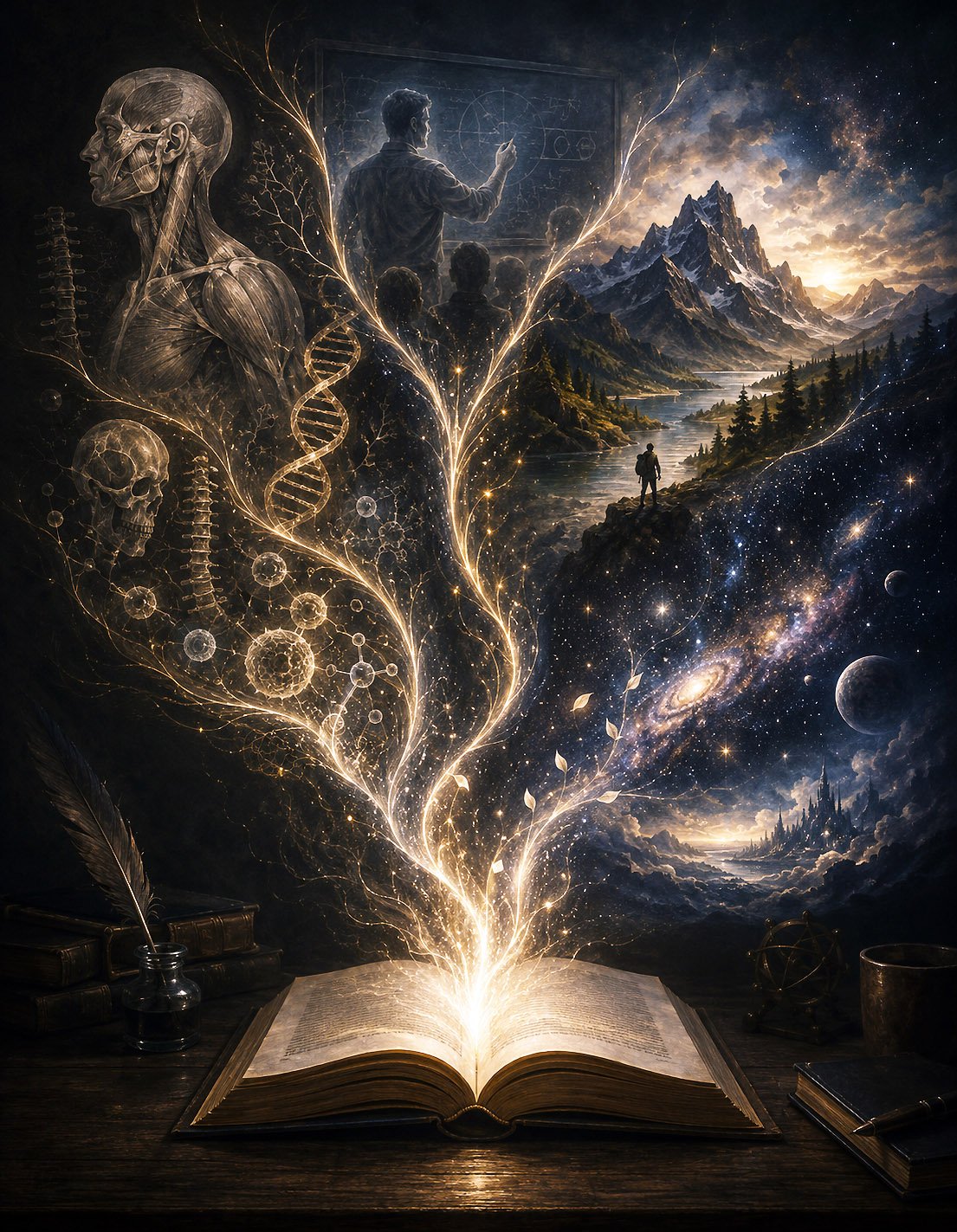
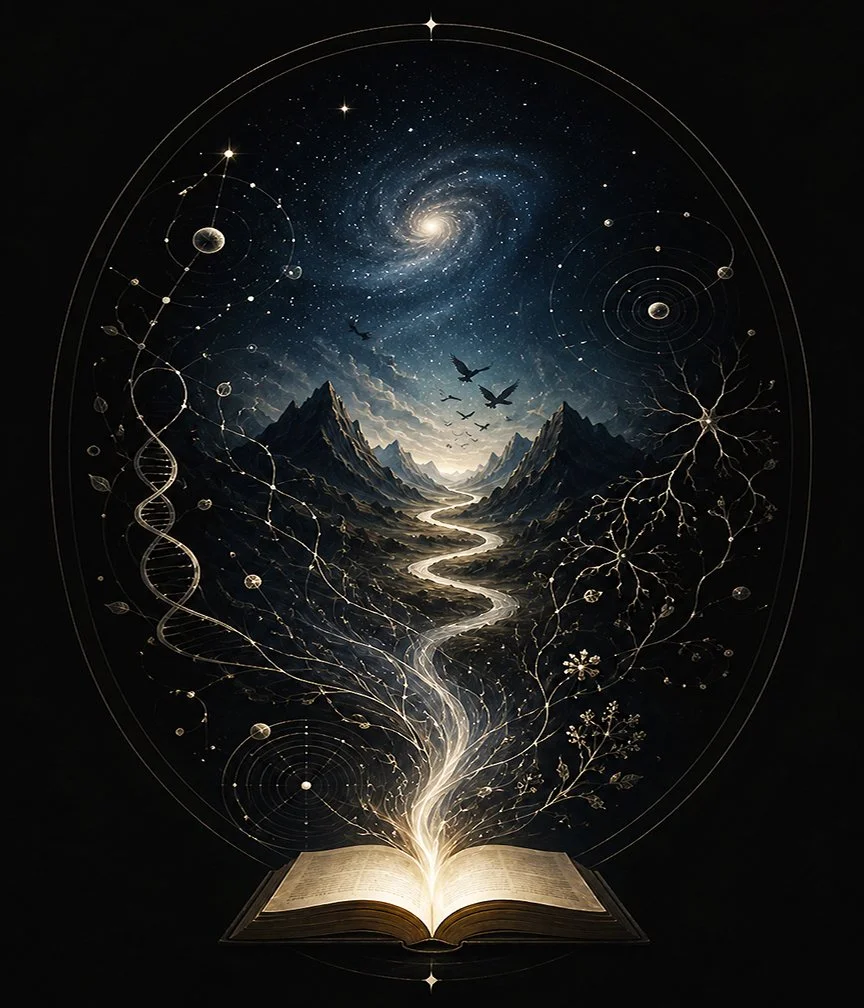
Mark J Horacek’s books do not come from a single discipline, genre, or source of inspiration. They emerge from the convergence of science, teaching, human experience, reflection, imagination, and the persistent search for meaning.
The work is shaped by years spent studying the human body, teaching students, building academic programs, thinking about systems, caring about patients, and asking what helps people remain human when life becomes difficult, confusing, or uncertain. Those experiences do not appear in the books as autobiography. They appear as structure, atmosphere, character, theme, and moral concern.
In Survivors of the Silent Earth, scientific study becomes ecological imagination. Anatomy, physiology, kinesiology, neuroscience, cell biology, histology, and evolutionary biology help shape a world where creatures are not random monsters, but biological consequences. In How to Stay Human and The Fall of Truth, teaching, leadership, systems thinking, and concern for shared reality become inquiries into confusion, truth, discernment, and the structures needed to protect human dignity. In The Eternal Gifts, love, loss, longing, memory, mortality, and the search for meaning become illustrated verses and reflections on the human heart.
Across the books, the central concern remains the same: how human beings search for truth, endure loss, form meaning, protect what matters, and remain worthy of the life they have been given.
Science, the Body, and the Logic of Survival
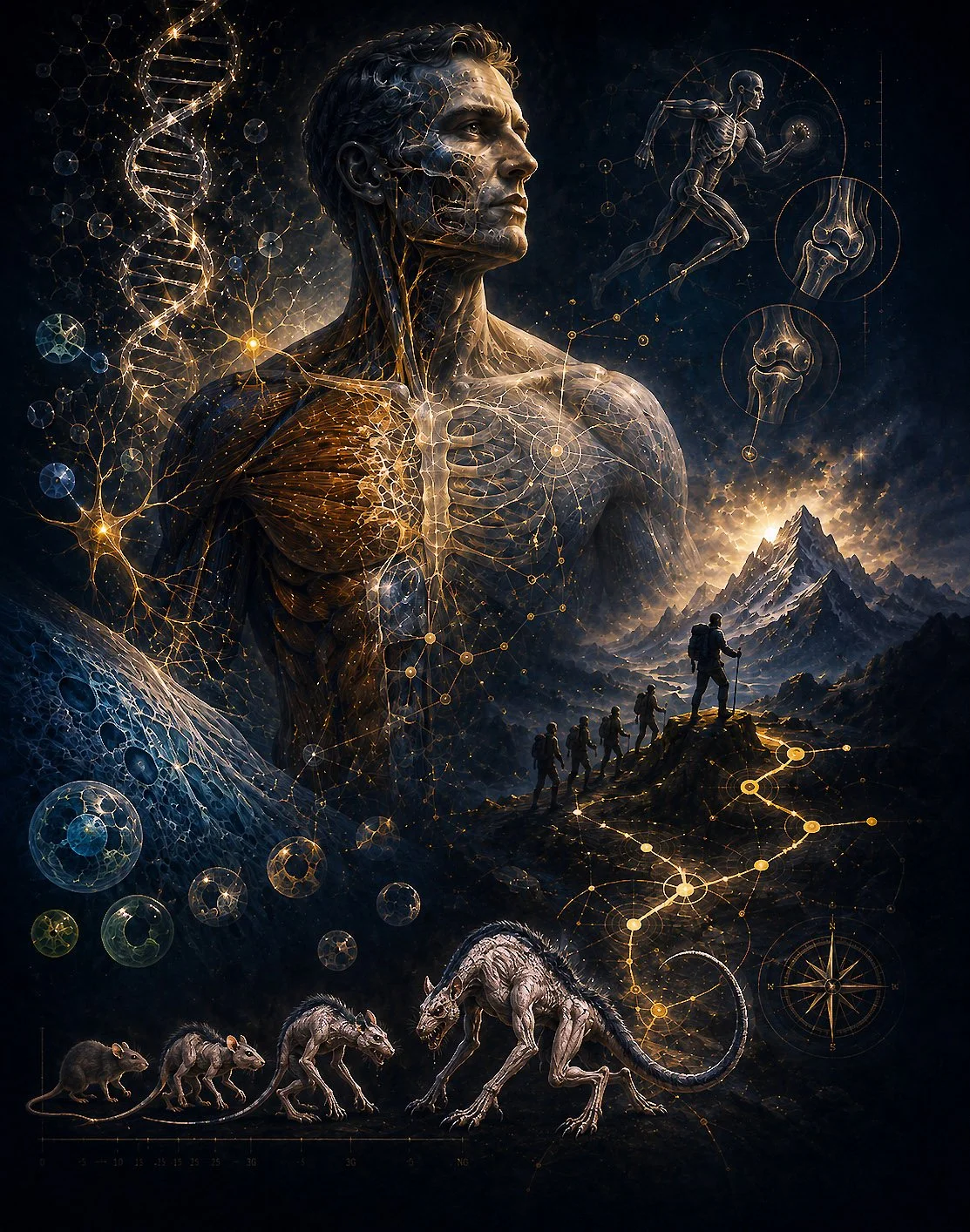
The scientific foundation beneath Mark J Horacek’s work is most visible in Survivors of the Silent Earth, where imagination is shaped by anatomy, physiology, kinesiology, neuroscience, cell biology, histology, and evolutionary biology.
The creatures of the transformed Earth are not designed as random monsters. They are imagined as biological consequences: bodies shaped by pressure, scarcity, predation, territory, movement, tissue adaptation, sensory need, and survival advantage. Their anatomy matters. Their behavior matters. Their strengths and vulnerabilities arise from the logic of living systems pushed beyond the world humanity once understood.
That same scientific grounding shapes the survivors themselves. Injury, fatigue, movement, wound care, anatomical targeting, healing, restraint, and physical vulnerability are not decorative details. They are part of the story’s survival logic. Eva’s medical knowledge, Mara’s body awareness, Jonah’s tactical judgment, and Eli’s improvisational problem-solving all exist inside a world where the body is constantly tested by terrain, danger, exhaustion, and consequence.
In this sense, science does not make the story colder. It makes the danger more real, the creatures more plausible, and the choices more human. The body becomes one of the places where the story tells the truth: about fear, endurance, adaptation, pain, courage, and the cost of survival.
Education, Leadership, and the Preservation of Knowledge
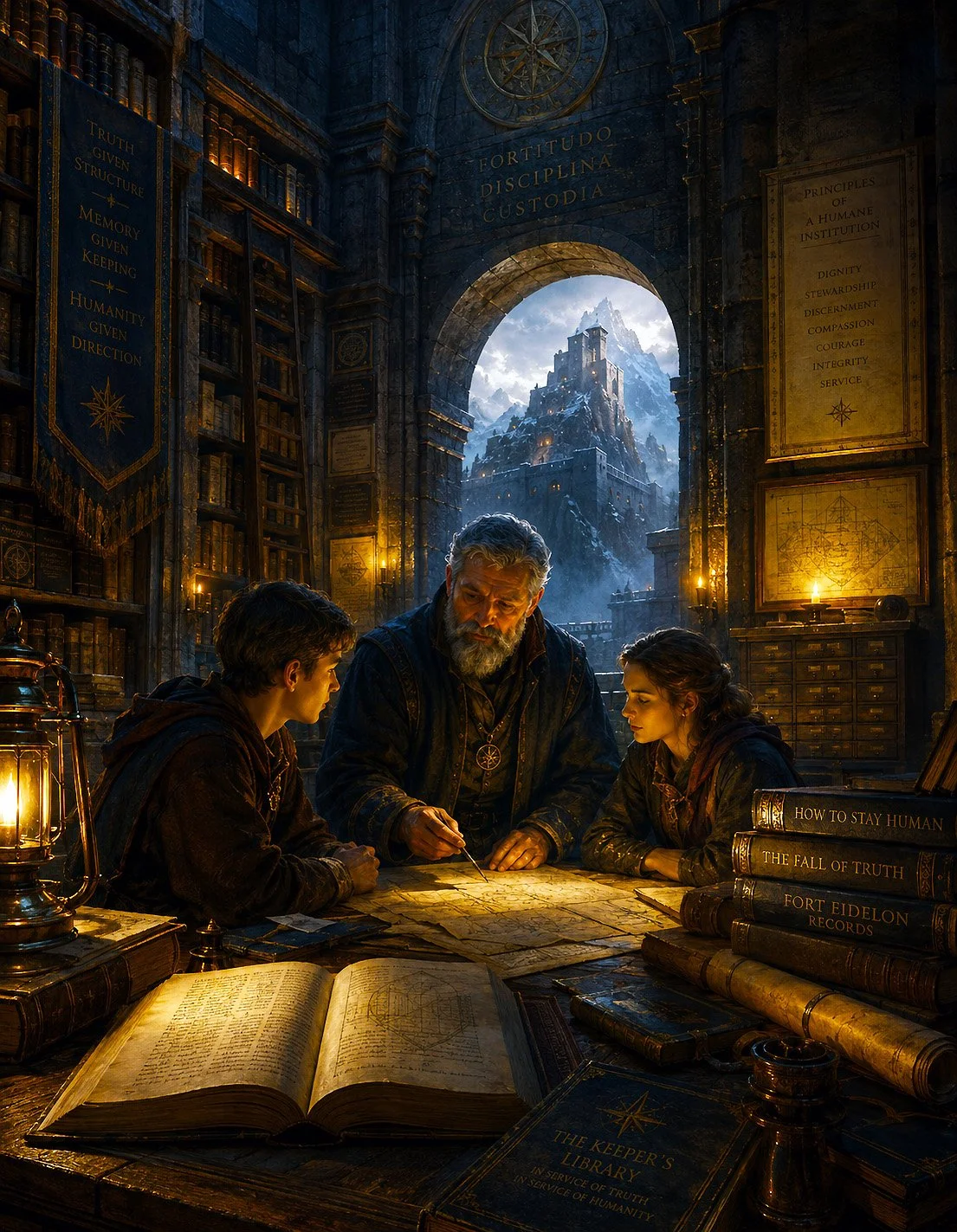
Mark J Horacek’s books are also shaped by a long concern with how knowledge is formed, preserved, and passed on. Across his work, truth is not treated as information alone. It requires memory, structure, discipline, and institutions capable of carrying what matters from one generation to the next.
That concern appears clearly in Survivors of the Silent Earth, where Fort Eidelon stands not merely as a refuge, but as a community built around order, learning, and the preservation of wisdom. Jonah’s leadership reflects this same principle: strength joined to judgment, responsibility, and the steady work of guiding others through danger. The Keeper’s library, the Fort’s memory, and the expedition beyond it all express the belief that survival depends not only on force, but on what a people choose to remember, protect, and teach.
The same underlying concern shapes How To Stay Human in an Age of Confusion and The Fall of Truth. These books ask what happens when shared reality fractures, when institutions fail their human purpose, and when truth is no longer protected by living structures of trust, responsibility, and formation. They also ask what must be rebuilt if knowledge is to serve human dignity rather than power alone.
Across these works, education is never merely academic. Leadership is never merely positional. Knowledge is never merely stored. Each becomes a moral question: how human beings are formed, what they preserve, and whether the structures they build remain worthy of the lives entrusted to them.
Love, Loss, Meaning, and the Human Interior
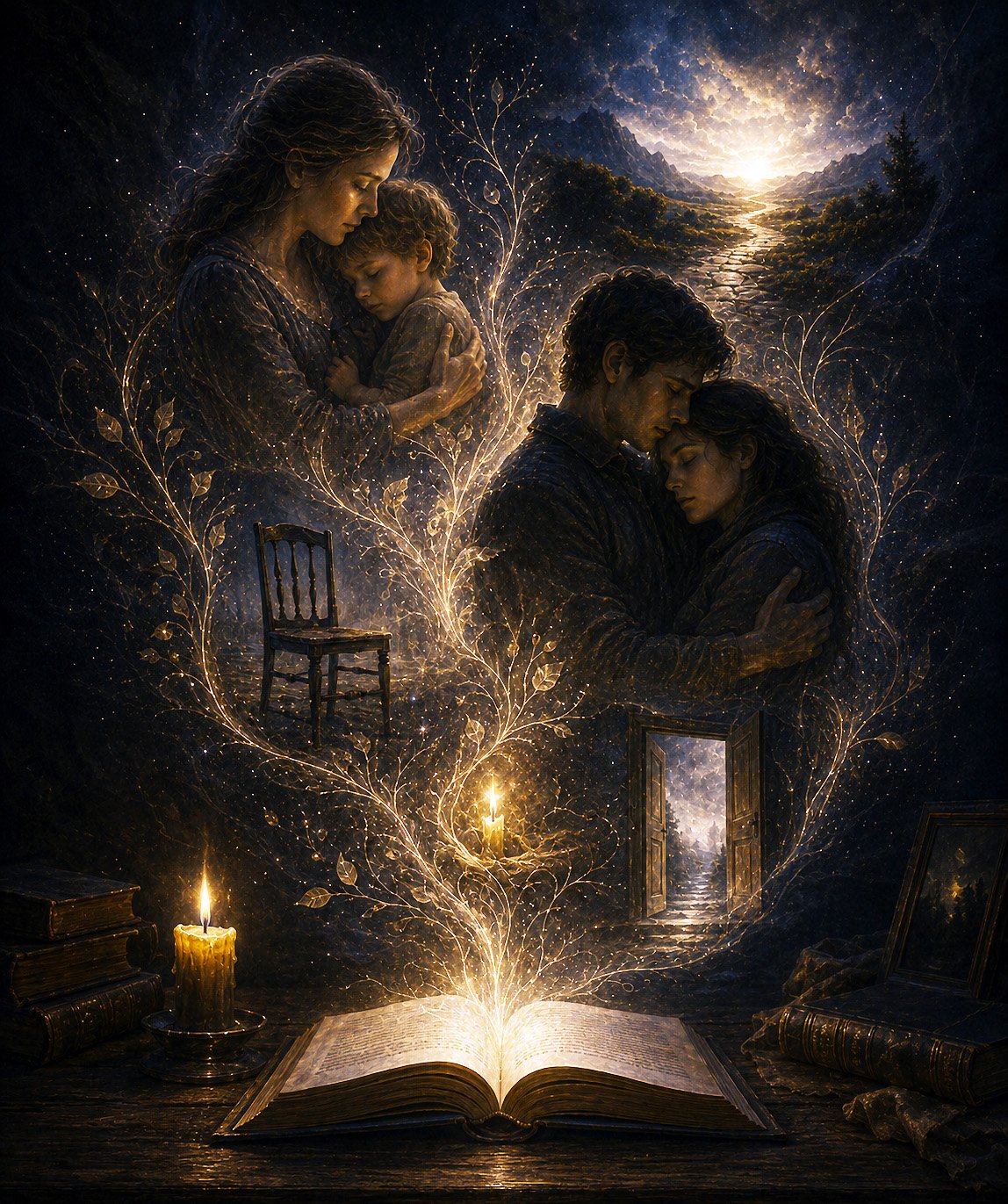
Mark J Horacek’s books are shaped not only by science, systems, and questions of truth, but by the inner life of human beings: love, grief, longing, memory, regret, tenderness, and the search for meaning.
In The Eternal Gifts, these themes become the center of the work. Love appears in many forms: romantic devotion, family belonging, the love that remains after death, the love that must become honest before it becomes forever, and the love that calls people back toward kindness, courage, and responsibility. Death is not treated only as an ending, but as a threshold that reveals what mattered, what was left unsaid, and what love may still carry forward.
These emotional concerns also move through the other books. In Survivors of the Silent Earth, the wilderness tests loyalty, fear, sacrifice, and the bonds between people and the guardians who protect them. In How To Stay Human and The Fall of Truth, the question is not only what is true, but what happens to the human heart when truth, trust, meaning, and shared reality begin to break.
Across the work, feeling is not separate from thought. The human interior is where truth becomes personal, where loss becomes memory, where love becomes responsibility, and where meaning is either protected or abandoned.
Why the Books Ask Human Questions
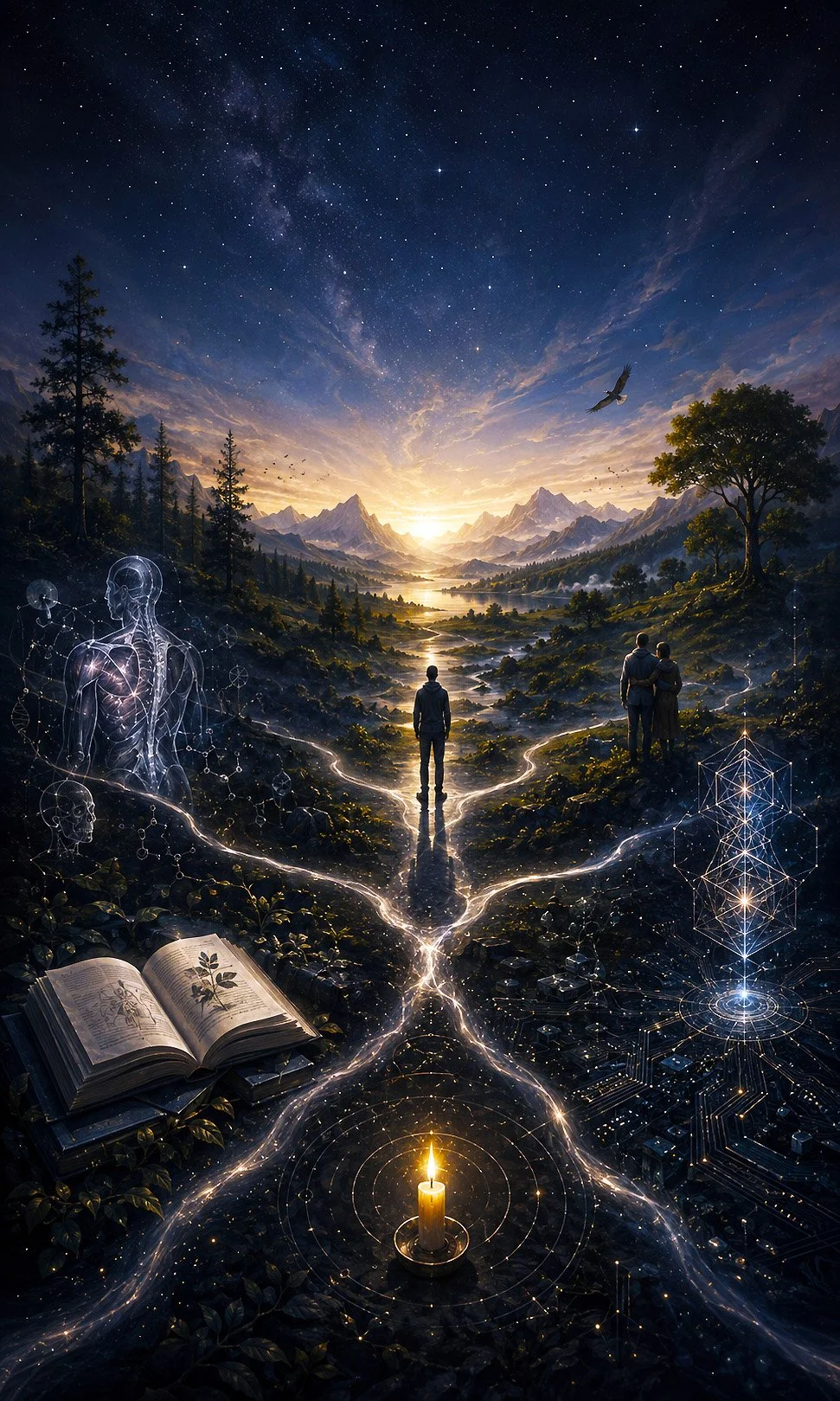
Across speculative fiction, poetry, short stories, and nonfiction, Mark J Horacek’s books return to a common concern: what it means to remain human in a world shaped by uncertainty, loss, power, intelligence, beauty, danger, and change.
The genres differ, but the questions remain connected. Survivors of the Silent Earth asks whether humanity can belong to the Earth without trying once more to dominate it. The Eternal Gifts asks whether love can endure loss and still carry meaning forward. How To Stay Human asks what must be protected when confusion becomes the atmosphere of daily life. The Fall of Truth asks what truth is for, how it breaks, and what structures are needed if shared reality is to survive.
These books do not offer simple answers. They ask readers to look more carefully at the forces shaping human life: the body, the family, the wilderness, the institution, the machine, the memory, the wound, the question, and the choice.
At the center of the work is a continuing belief that human beings are not made only to survive. They are made to seek truth, give and receive love, protect what is fragile, build what is humane, and remain answerable to the life they have been given.
The recurring questions are the heart of the work:
What does it mean to remain human?
What is truth for?
How should intelligence serve life?
Can love survive loss?
Can humanity belong to the Earth without dominating it?
What must be protected if the future is to remain humane?